What Is Resentment? Why It Builds in Relationships and How to Stop It
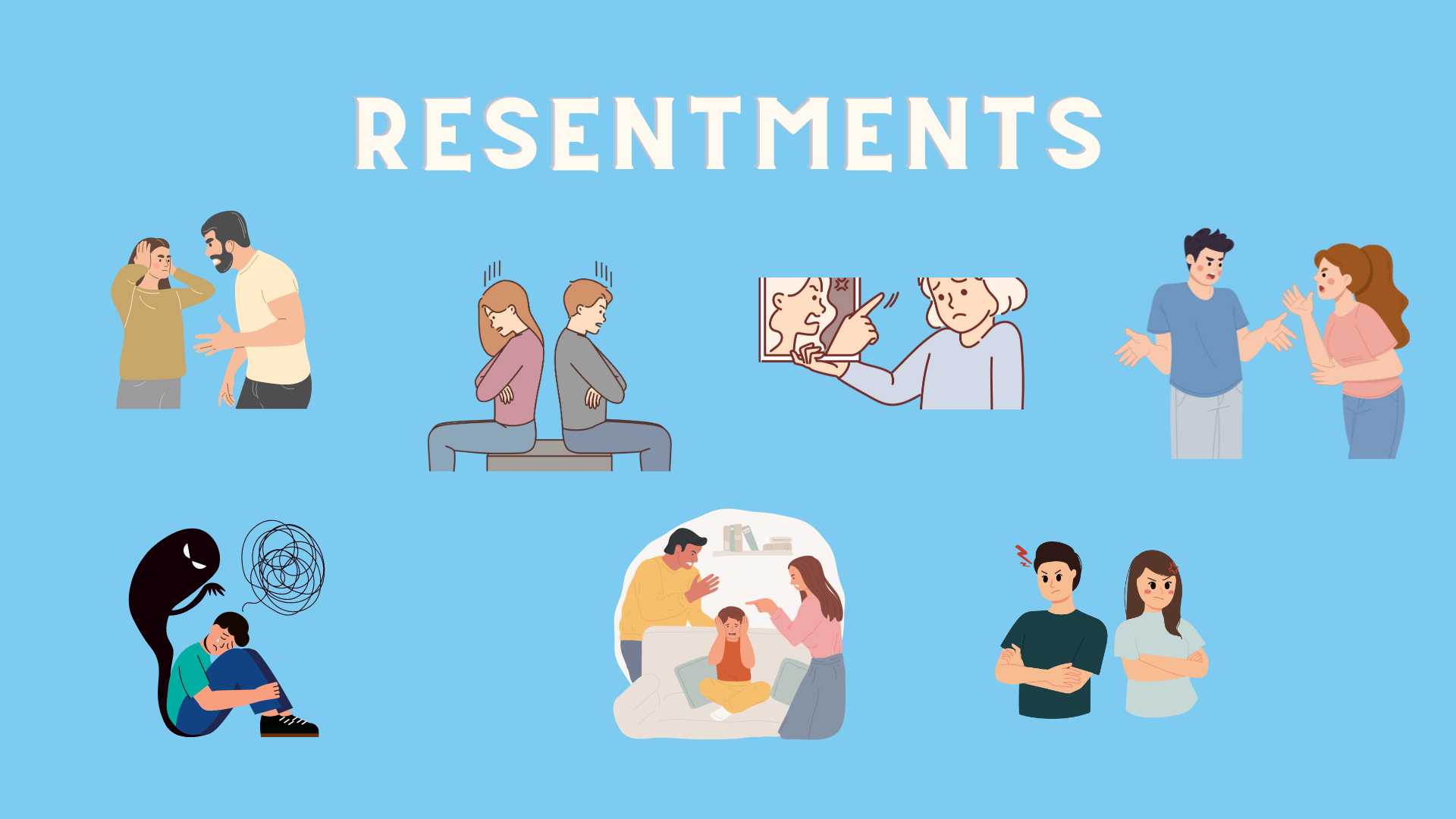
Table of Contents
Introduction
Quick Summary
Resentment in a Relationship
7 Hidden Signs of Resentment in Relationships
Impact of Resentment
The Root Cause: Communication Breakdown
How to Fix Resentment in a Relationship
Practical Exercises to Move Past Resentment
Neuroplasticity in Relationship Healing
Resources
Frequently Asked Questions
What Is Resentment?
What Is Resentment?
Resentment is the slow buildup of anger, hurt, or disappointment that comes from feeling treated unfairly and never having it resolved. The word comes from the French ressentir, which means to feel again, and that is exactly what resentment does. It replays the same hurt over and over.
In relationships, resentment forms when needs go unmet, boundaries stay unclear, or one partner feels unseen or overextended. It's rarely one big betrayal. More often it's the forgotten plans, the help you asked for and didn't get, the argument that always ends with you backing down. Each one feels too small to fight about, so it goes unspoken.
Over time, you start keeping a mental tally. You replay old arguments and read new comments as more proof. Unlike explosive anger, resentment works quietly, building a wall between you and your partner until it's hard to talk openly or feel close.
Naming resentment for what it is, the accumulation of unspoken hurts, is the first step toward healing it.
What Resentment Feels Like?
Resentment often feels like a tight chest or a clenched jaw when your partner walks in the room. It can show up as keeping score, sarcasm you can't quite hold back, or a quiet decision to stop asking for what you need because you already know how it will go.
Quick Summary
Topic:
Understanding how resentment builds in relationships and practical ways to heal it for a deeper emotional connection.
Key Takeaways:
Resentment often grows from unexpressed needs, unresolved hurts, and repeated emotional disconnection.
Healing resentment requires learning to communicate openly, rebuilding trust, and processing emotions constructively.
Recurring patterns like keeping score, stonewalling, or losing physical intimacy are often hidden signs of resentment. Left unaddressed, it can quietly erode a relationship even without an obvious blow-up.
Next Steps: Try practical exercises like gratitude practice and active listening, or reach out to our team at Lisa Chen & Associates for couples counseling.
“Resentment is like drinking poison and waiting for the other person to die.”
What Resentment Looks Like in a Relationship
Feeling like you’re giving more than you’re receiving
Keeping score of past hurts or slights
Passive-aggressive communication or stonewalling
Replaying arguments or unmet needs in your head
Avoiding vulnerability because of past disappointment
Left unresolved, resentment can turn love into distance. But with the right tools, you can interrupt this pattern—and reconnect.
7 Hidden Signs of Resentment in Relationships
Resentment can be a silent relationship killer, often lurking beneath the surface unnoticed until significant damage has been done. As a couples therapist in Hermosa Beach, I've seen how these hidden signs can erode even the strongest bonds. Here are seven subtle indicators of resentment that you might be missing:
Difficulty celebrating your partner's successes: When resentment takes root, it can be challenging to genuinely feel happy for your partner's achievements. Instead, you might feel a twinge of jealousy or find yourself downplaying their accomplishments. This hidden sign often masquerades as stress or distraction, making it easy to overlook.
Keeping score: Do you find yourself mentally tallying up your partner's mistakes or shortcomings? This invisible ledger of grievances is a breeding ground for resentment. It's particularly insidious because it often happens unconsciously, coloring your perception of your partner over time.
Loss of physical intimacy: A decrease in physical affection isn't always due to a busy schedule or low libido. It can be a subtle sign of growing resentment, as negative feelings create an emotional and physical barrier. This sign is often mistaken for a natural evolution of long-term relationships, allowing resentment to fester unaddressed.
Couples who feel like they’re stuck in a resentment loop often benefit from Gottman Method couples therapy, which offers structured tools to rebuild trust and repair emotional connection.
Fantasizing about life without your partner: Occasional daydreams are normal, but frequently imagining a life without your partner can indicate hidden resentment. This sign is particularly deceptive because it often feels like a harmless fantasy rather than a serious relationship issue.
Stonewalling during conflicts: If you or your partner shuts down completely during disagreements, refusing to engage in conversation or problem-solving, it could be a sign of deep-seated resentment. This behavior is often misinterpreted as a cooling-off period, masking the underlying issue.
Difficulty in expressing affection: When saying "I love you" or showing appreciation becomes challenging, even when you want to, it might indicate hidden resentment. This sign is often attributed to being "out of the honeymoon phase," overlooking the possibility of underlying negative feelings.
Negative comparison: Constantly comparing your partner unfavorably to others, including friends, exes, or idealized versions of a partner, can be a subtle sign of resentment. This behavior might seem like harmless venting or joking, making it easy to dismiss its significance.
If these signs resonate with you, it's crucial to address the underlying resentment before it erodes the foundation of your relationship.
The Impact of Resentment on Relationships
Earlier this year, I worked with a couple, let's call them Alex and Jamie, who were on the brink of divorce due to years of built-up resentment. Alex resented Jamie for not supporting their career aspirations, while Jamie resented Alex for being emotionally distant.
Through our sessions, we uncovered that Alex's emotional distance was a defense mechanism stemming from childhood experiences, while Jamie's lack of support was rooted in fear of financial instability. As they began to understand each other's underlying fears and needs, the resentment slowly dissolved, replaced by empathy and renewed connection.
Understanding the Role of Defensiveness
One of the most significant hurdles Alex and Jamie faced was defensiveness—a common barrier in relationships weighed down by resentment. In moments of conflict, even the slightest critique could trigger a defensive response, making honest communication nearly impossible. Defensiveness isn't just about reacting to your partner's words; often, it's about protecting vulnerable parts of ourselves that feel threatened.
As relationship therapist Moraya Seeger DeGeare notes, "Defensiveness often creates a major obstacle to connection and communication in relationships." Instead of focusing solely on what their partner had done "wrong," Alex and Jamie learned to pause and explore what was happening internally when they felt attacked or misunderstood. This self-awareness helped them respond with curiosity rather than hostility, opening the door to deeper understanding and healing.
This experience taught me the transformative power of addressing resentment head-on. It's not always an easy journey, but the rewards of a stronger, more resilient relationship are immeasurable. Resentment can be incredibly damaging to relationships. It creates a barrier to intimacy, erodes trust, and can lead to a cycle of negative interactions. In my practice at Lisa Chen & Associates, I've observed how unresolved resentment can transform loving partners into adversaries.
Harboring feelings of resentment doesn't just chip away at connection—it can wreak havoc on every level of a relationship, destroying communication, intimacy, and the sense of partnership you once shared. Research has shown that resentment can significantly impact the well-being of marriages, and it’s especially damaging when both partners experience it during the early years together. As relationship expert Moraya Seeger DeGeare notes:
"Relationships are not perfect, and neither are you, and that is normal. To have a healthy relationship, it's important to be willing to create a life with your partner where you both feel valued. If resentment builds early on and is not addressed, it's like building a house with a faulty foundation. When you go through hard or significant events together, you may experience a deeper pain due to the underlying disconnection."
If left unaddressed, resentment can snowball into animosity, hard feelings, and even hatred, making it feel as though there’s nothing good left in the relationship—even if that’s just the negativity talking. I've seen this firsthand:
Sarah and Mike (names changed for privacy) came to me for couples counseling in Hermosa Beach. Sarah resented Mike for prioritizing work over family time, while Mike resented Sarah for what he perceived as constant nagging. This mutual resentment had created a toxic atmosphere in their home, affecting not only their relationship but also their children.
Over time, the ability to see the positives in your partner is replaced by a fog of bitterness. Even small disagreements can feel monumental, and the underlying issues become harder to access amidst the emotional clutter.
The Root Cause: Communication Breakdown
Almost always, the root of ongoing resentment is a communication breakdown. If the ability to speak openly and honestly is lost—if conversations are replaced by assumptions, silence, or defensiveness—resentment is allowed to grow unchecked, quietly eroding the bond between partners.

How to Fix Resentment in a Relationship
1. Acknowledge the Resentment
The first step in healing resentment is recognizing its presence. It's essential to create a safe space where both partners can express their feelings without judgment.
2. Practice Open Communication
"The single biggest problem in communication is the illusion that it has taken place."
— George Bernard Shaw
Encourage honest, respectful dialogue. Use "I" statements to express your feelings and needs without blaming your partner. For example, instead of saying, "You never help around the house," try, "I feel overwhelmed when I have to manage all the household chores alone."
3. Cultivate Empathy
Try to see the situation from your partner's perspective. This doesn't mean you have to agree with everything they say, but understanding their point of view can foster compassion and reduce resentment.
4. Take Responsibility
Reflect on your role in the development of resentment. Are there ways you've contributed to the situation? Taking responsibility for your part can be a powerful step towards healing.
5. Practice Forgiveness
Forgiveness is a gift you give yourself as much as your partner. It doesn't mean forgetting or condoning hurtful behavior, but rather choosing to let go of the anger and move forward.
6. Rebuild Trust
Trust is often a casualty of resentment. Rebuilding it takes time and consistent effort. Be reliable, keep your promises, and show up for your partner emotionally and physically.
7. Seek Professional Help
If resentment has built over years of disconnection, structured couples therapy can help break entrenched patterns.
Sometimes, the weight of resentment can be too heavy to tackle alone. Don't hesitate to seek help from a qualified couples therapist. At Lisa Chen & Associates, we offer couples counseling in Hermosa Beach and virtual telehealth services throughout California to help you navigate these challenging waters. If resentment has become a recurring issue in your relationship, individual or couples therapy can give you the language and emotional tools to heal without blame.
If you are unsure which approach fits your situation, explore How We Treat to understand the frameworks that guide our work.
Practical Exercises to Move Past Resentment: The Neuroscience of Change
Understanding the science behind relationship exercises can motivate us to engage in them more consistently. Dr. Dan Siegel's work in interpersonal neurobiology provides fascinating insights into how our brains change through relationships and intentional practices. Let's explore how these exercises can rewire our brains and transform our relationships.
"Where attention goes, neural firing flows, and neural connection grows."
— Dr. Dan Siegel
Gratitude Practice: Each day, share one thing you appreciate about your partner.
Neuroplasticity Impact: Regularly expressing gratitude activates the brain's reward center, releasing dopamine and serotonin. This not only improves mood but also strengthens neural pathways associated with positive emotions towards your partner. Over time, this practice can shift your brain's default mode from focusing on negatives to appreciating positives in your relationship.
Active Listening: Practice truly listening to your partner without interrupting or planning your response. Reflect back what you've heard to ensure understanding.
Interpersonal Neurobiology Perspective: Active listening engages the brain's mirror neuron system, promoting empathy and emotional attunement. As Dr. Siegel explains, this "neural resonance" allows couples to sync their emotional states, fostering a deeper connection and understanding.Needs and Wishes Exercise: Write down your top five needs and wishes for the relationship. Share these with your partner and discuss how you can support each other in meeting these needs.
Brain Change: This exercise activates the prefrontal cortex, the area responsible for planning and decision-making. By consciously articulating needs and collaborating on solutions, couples create new neural pathways that support problem-solving and mutual support.
Repair Attempts: Learn to recognize and respond to your partner's attempts to connect or make amends, even in the midst of conflict.
Neuroplasticity in Action: Recognizing and responding positively to repair attempts helps rewire the brain's threat response system. Over time, this practice can lower the automatic stress response during conflicts, making it easier to stay connected even during disagreements.
Gottman's Love Maps: Deepen your knowledge of your partner's inner world by regularly asking about their thoughts, feelings, and experiences.
Interpersonal Neurobiology Insight: This exercise strengthens the brain's social network, enhancing our ability to mentalize or understand our partner's mental states. As Dr. Siegel points out, this increased awareness of each other's inner worlds promotes secure attachment and emotional regulation.
The Power of Neuroplasticity in Relationship Healing
Dr. Siegel's research shows that our brains are constantly changing in response to our experiences, a concept known as neuroplasticity. In the context of relationships, this means that every interaction with our partner has the potential to strengthen positive neural connections or reinforce negative patterns.
When we engage in these exercises consistently, we're not just going through the motions – we're literally rewiring our brains for healthier, more satisfying relationships. The neural pathways associated with resentment and negative patterns begin to weaken, while those linked to empathy, understanding, and positive regard for our partner grow stronger.
Moreover, interpersonal neurobiology teaches us that our minds are not isolated entities but are profoundly shaped by our relationships. As we practice these exercises with our partners, we create a shared neural dance that can transform both individuals and the relationship as a whole.
"The mind can be defined as an embodied and relational process that regulates the flow of energy and information."
— Dr. Dan Siegel
By understanding the neurobiological basis of these exercises, we can approach them with greater intention and commitment. Each time you practice gratitude, listen actively, or make a repair attempt, you're not just improving your relationship in the moment – you're building a foundation for lasting change in your brain and your bond.
At Lisa Chen & Associates, we incorporate these neuroscience-informed approaches into our couples counseling sessions in Hermosa Beach and our virtual telehealth services throughout California. We believe that understanding the "why" behind these practices can empower couples to create lasting change in their relationships.
Remember, just as negative patterns can become ingrained over time, so too can positive ones. With consistent practice and professional guidance, you can harness the power of neuroplasticity to overcome resentment and build a more resilient, satisfying relationship.
Couples Resources for Further Support
The Gottman Institute – Offers research-based relationship advice and workshops.
Remember, healing resentment is a journey, not a destination. It requires patience, commitment, and often professional guidance. If you're struggling with resentment in your relationship, don't hesitate to reach out for support.
Resentment can be incredibly damaging to relationships. It creates a barrier to intimacy, erodes trust, and can lead to a cycle of negative interactions. In my practice at Lisa Chen & Associates, I've observed how unresolved resentment can transform loving partners into adversaries.
Sarah and Mike (names changed for privacy) came to me for couples counseling in Hermosa Beach. Sarah resented Mike for prioritizing work over family time, while Mike resented Sarah for what he perceived as constant nagging. This mutual resentment had created a toxic atmosphere in their home, affecting not only their relationship but also their children.
Frequently Asked Questions
What causes resentment to build in relationships?
Resentment builds when emotional needs go unmet, boundaries keep getting crossed, or conflicts end without real resolution. Over time, feeling misunderstood or dismissed turns small hurts into a pattern. For more on how couples interrupt that pattern, see this Gottman Institute article on emotional repair.
What is the difference between anger and resentment?
Anger is a fast, hot reaction to something happening right now, and it usually passes once it's expressed. Resentment is anger that was never resolved, so it stays and gets reheated every time something reminds you of the original hurt.
Can resentment go away on its own?
Resentment rarely fades on its own, because the need underneath it is still unmet. It usually eases once that need is named out loud and your partner responds to it, even imperfectly. Avoiding the topic tends to let it grow.
How can couples begin to heal resentment?
Start by naming one specific hurt instead of the whole history. Say what you needed and didn't get, and let your partner reflect it back before responding. Small, repeated repairs like this rebuild trust faster than one big conversation that tries to fix everything.
Can resentment be healed even if it feels deeply ingrained?
Yes. Deep resentment is a sign that something important went unaddressed for too long, not proof that love is gone. With the right support and both partners willing to look at the pattern instead of the latest fight, it can turn into renewed trust and closeness.
Can couples therapy help with resentment?
Yes. Resentment is one of the most common reasons couples come to therapy. A couples therapist helps each partner say what has been building without it turning into another fight, and helps you both change the pattern that keeps creating new resentment.
While resentment can drag a relationship down for months or even years, it's important to recognize that simply staying together isn’t the same as truly healing. A relationship weighed down by unresolved resentment might continue out of habit or obligation, but the connection and satisfaction between partners usually suffer. Over time, this can lead to distance, ongoing frustration, and emotional withdrawal.
However, when both partners are willing to address the underlying issues, seek support if needed, and consistently practice empathy and open communication, it’s possible to rebuild the partnership into something even stronger than before. Healing resentment isn’t just about moving past old hurts—it’s about creating a fresh foundation for lasting intimacy and trust.

Contact Lisa Chen & Associates to learn more or receive support at hello@lisachentherapy.com or 213-537-9672. Our experienced team provides couples counseling in Hermosa Beach and virtual telehealth services throughout California. Together, we can work towards healing resentment and building a stronger, more fulfilling relationship.