

Gottman Method couples therapy · Hermosa Beach · Pasadena · Online in California
Gottman Method Couples Therapy in Los Angeles for the Fight You Keep Having
The same fight about the calendar, the phone, the tone. You both know how it ends. The Gottman Method comes from decades of research on how couples argue and repair, and it gives you specific things to do differently, starting with the next fight.
Online anywhere in California, or in person in Hermosa Beach and Pasadena. Couples sessions are 50 or 80 minutes, $180 to $500 depending on your therapist. We reply within one business day.
- Built on researchFour decades of studies on how couples fight and repair
- Gottman-trained founderLisa Chen, LMFT, Gottman Method Level 2 trained
- Weekly or intensiveWeekly sessions or a concentrated couples intensive
- Published feesNo surprises on cost
The Gottman Method is a couples therapy developed by Drs. John and Julie Gottman from four decades of research on how couples argue, repair and stay close. After an assessment, it teaches specific skills: a gentle start-up, swapping the Four Horsemen for their antidotes, repairing mid-fight and rebuilding friendship. Lisa Chen & Associates Therapy offers Gottman Method couples therapy in Hermosa Beach, Pasadena and online across California, led by Lisa Chen, LMFT, who is Gottman Method Level 2 trained. Sessions cost $180 to $500 and start with a free 20-minute consultation.
What it looks like
One fight, replayed
Jordan and Sam, a Tuesday night, a missed dinner. Watch the fight, then the same evening replayed with the antidotes. Tap a dot to jump to any step, and keep an eye on Sam's heart rate in the corner.
The same Tuesday, twice
Same fight. Four different moves.
Jordan and Sam didn't change the problem. They changed what they did with it. That is what Gottman couples therapy practices, in the room and at home.
Tuesday, 7:40 p.m.
Flooding is real. When heart rate climbs past about 100 beats a minute, most people can't take in what their partner is saying. That's why a 20-minute break isn't avoidance. It's how you get back to the conversation.
Written down: the four moves
The same four steps, for anyone who would rather read than watch. Tap a row for the details.
Criticism → Gentle start-upA complaint turns into a verdict on who your partner is.
- In the fight
- "You never think about anyone but yourself." A complaint about one evening turns into a verdict on who Sam is.
- The move
- Say how you felt, describe the situation instead of your partner's character, and ask for one specific thing.
- Try this week
- Start one complaint with "I felt" and end it with a request.
Defensiveness → Take responsibilityFiring back means the concern stops counting.
- In the fight
- "If it mattered that much, you could have reminded me." Sam fires back, and Jordan's concern stops counting.
- The move
- Own a piece of it, even a small one. It lowers the temperature for both of you faster than anything else.
- Try this week
- The next time you feel the urge to explain, say "You're right about that part" first.
Contempt → AppreciationMockery, the strongest predictor of divorce Gottman found.
- In the fight
- An eye-roll and "your job is so much harder than everyone else's." Mockery was the single strongest predictor of divorce in Gottman's research.
- The move
- A habit of saying what you value, out loud, on ordinary days, so it's within reach on the hard ones.
- Try this week
- One specific appreciation a day, said to your partner's face.
Stonewalling → Self-soothingFlooded past 100 beats a minute, so nobody can listen.
- In the fight
- Sam's heart rate passes 100, and Sam looks at the phone. To Jordan it reads as not caring; usually it's overwhelm.
- The move
- Name the flood and take a real break of at least 20 minutes, doing something calming rather than rehearsing the argument, then come back and finish.
- Try this week
- Agree on a break signal before you need one.
Printable version: the free Four Horsemen worksheet. In Gottman couples therapy, these four moves are what you practice in the room, with your therapist slowing things down, until they're yours.
Start here
What is the Gottman Method?
John Gottman and Julie Schwartz Gottman spent decades watching couples talk, argue and make up, many of them wired to heart-rate monitors. They looked for what separated couples who stayed happy from couples who didn't. The Gottman Method turns what they found into skills you can practice.
It isn't about never fighting. Happy couples fight too. Here's what the research points to.
Friendship comes first
Couples who last know each other's world and respond to small bids for attention.
Love maps, bids for connectionMost conflict doesn't get solved
Gottman found about two thirds of couples' conflicts are perpetual, rooted in personality or values. The goal is to talk about them without doing damage.
Money, chores, time with familyFour patterns predict trouble
Criticism, defensiveness, contempt and stonewalling. Gottman calls them the Four Horsemen.
And each one has an antidoteRepair is the real skill
Couples who do well aren't the ones who never fight. They're the ones who notice a fight going wrong and steer it back: a joke, an apology, "can we start over?" In Gottman therapy, we practice that until it's yours. You saw it in the scene above.
The whole picture
The Sound Relationship House: what holds a relationship up
Gottman's model of a strong relationship has seven floors and two walls. Build it, then tap any floor to see what it means and one thing to try this week.
Tap a floor
Each floor rests on the one below it. Most couples who come in are struggling on the conflict floor, and the fix often starts lower down.
What Gottman couples therapy is like here
Weekly 50- or 80-minute sessions, in person or on video. Some couples prefer a concentrated start with a couples intensive.
- 01
An assessment, together
A joint first session about your history, what's working and what brought you in, plus the Gottman Relationship Checkup, an online questionnaire you each complete privately.
- 02
Feedback and a plan
We go over what the assessment shows, your strengths as a couple as well as the problem areas, and agree on goals together.
- 03
Practice in the room
You have real conversations in session. Your therapist slows things down, coaches a gentle start-up and a repair, and calls a break when one of you is flooded.
- 04
Practice at home, then taper
Short exercises between sessions: love map questions, a daily stress-reducing conversation, a weekly check-in. As the skills hold, sessions space out.
We don't take sides. The relationship is the client, and both of you should leave a session feeling heard.
Gottman Method vs. IFIO and Imago
We offer all three, and many couples use more than one. Here's how they differ in practice, so you can tell us what sounds right.
| Gottman Method | IFIO | Imago | |
|---|---|---|---|
| Main question | What are you doing in conflict and connection, and what works better? | Which parts of each of you take over when you fight? | How does this conflict connect to what each of you learned growing up? |
| In session | An assessment, then coaching specific skills during real conversations | Each partner learns to notice their reactive parts and speak for them, not from them | A structured dialogue: mirror, validate, empathize |
| Often chosen when | Fights escalate, you've drifted into roommates, or you want concrete tools | The same reaction keeps hijacking you, or old hurts drive the conflict | One or both of you feels unheard and you want a safe way to talk |
| Between sessions | Short, specific exercises | Noticing your parts in the moment | Practicing the dialogue at home |
On the evidence: Gottman's research on what predicts stability and divorce spans four decades and thousands of couples. Trials of Gottman Method therapy itself are fewer and smaller. We use Gottman for its practical tools and bring in IFIO when reactions run deeper.
Free Gottman tools to try at home
Printable worksheets from our clinicians. Each page explains the tool in full; the PDF is free.
Therapists who see couples
Everyone in our group sees couples, and your free consult matches you with the right person. Lisa Chen is Gottman Method Level 2 trained and leads the practice's couples work. Associates are trained and supervised by Lisa Chen and Clinical Director Bob Northcutt, both LMFTs.

Lisa Chen, LMFT
Hermosa Beach · Online
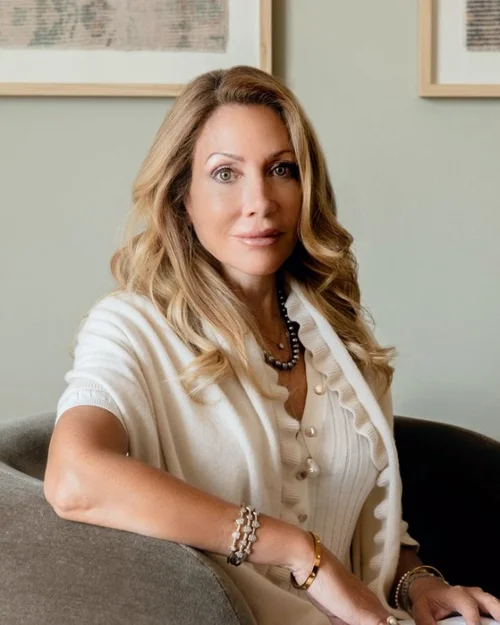
Lisa Newman, LMFT
Hermosa Beach · Online
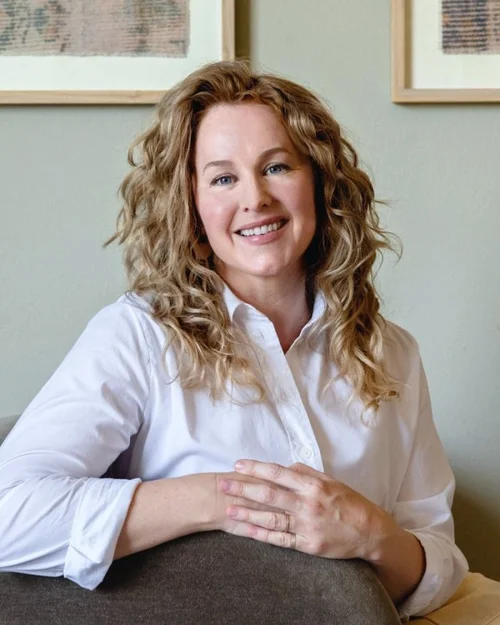
Chandra Breslow
Hermosa Beach · Pasadena · Online
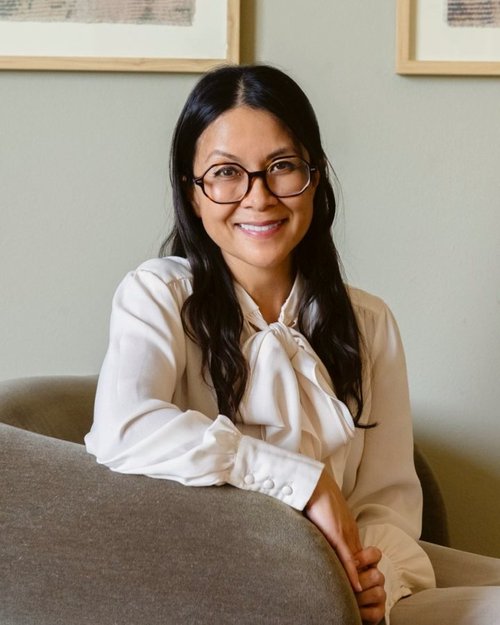
Elizabeth Dang
Hermosa Beach · Pasadena · Online

Laura Malandrino
Hermosa Beach · Online
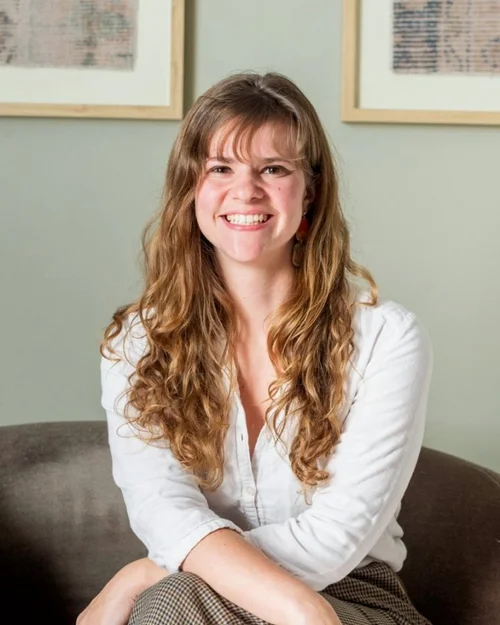
Rebekah Richin
Hermosa Beach · Pasadena · Online
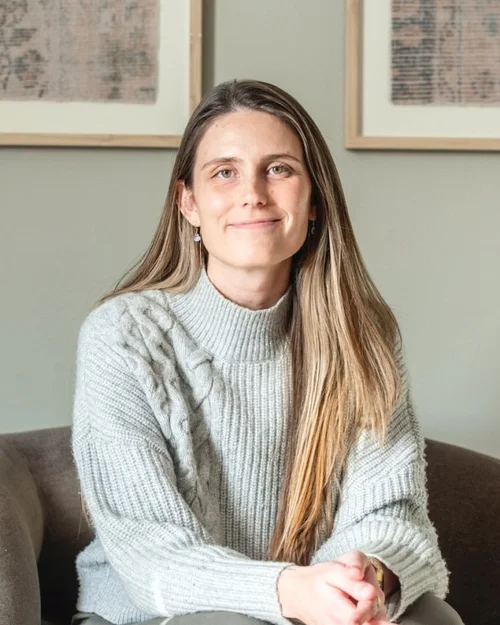
Payton Rund
Hermosa Beach · Online
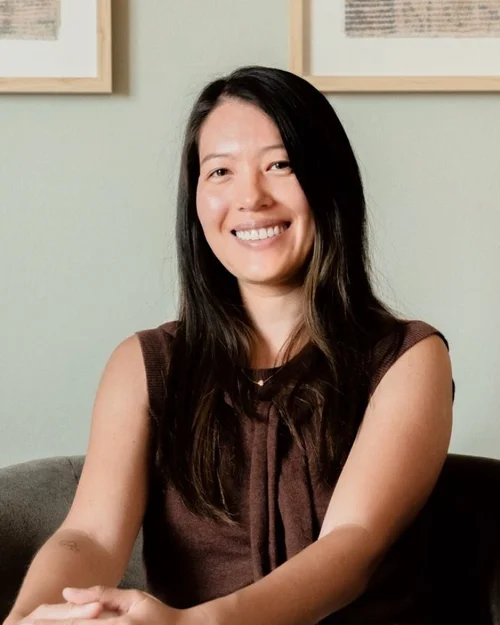
Jessica Slavin, MS
Online only
What Gottman couples therapy costs
- First consultation, 20 minutes
- Free
- Couples session with an associate
- $180–300
- Couples session with a licensed therapist
- $250–325
- Couples session with Lisa Chen, LMFT
- $450–500
- Couples intensive with Lisa Chen
- $650 an hour
Couples sessions are 50 or 80 minutes; we'll help you choose the length on your free consult. We're out of network. Superbills are provided through the client portal, and many employers' PPO plans reimburse a portion, so it's worth a call to your plan. More on fees and FAQs.
Where we offer Gottman couples therapy

Online, anywhere in California
Secure video from your own couch, from the Bay Area to Orange County, Sacramento to San Diego. Practicing a hard conversation at home can make the skills stick.
Online therapy in California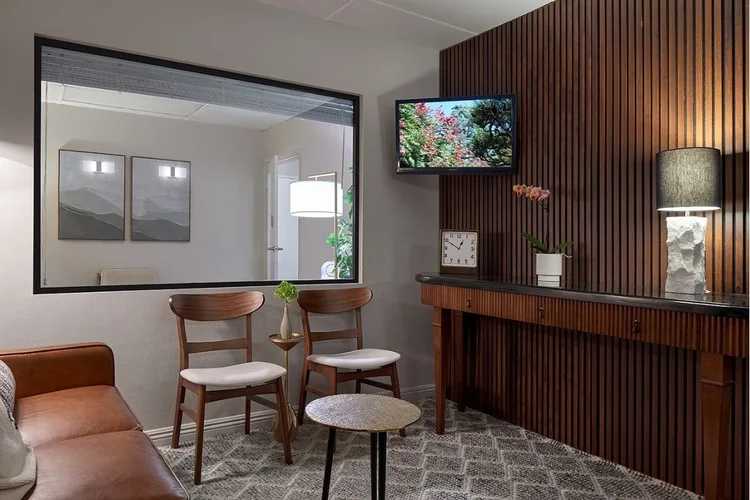
Hermosa Beach
2615 Pacific Coast Hwy, Suite 326. Parking on site and an elevator. Close to Manhattan Beach, Redondo Beach, El Segundo and Torrance.
In-person therapy in Hermosa Beach
Pasadena
150 S Los Robles Ave, Suite 850. Monday to Friday, with Chandra Breslow and colleagues. Call (626) 344-0475.
Therapy in PasadenaCouples therapy nearby: Los Angeles · Manhattan Beach · Redondo Beach · Torrance · Pasadena
Gottman couples therapy questions
Still deciding? A free 20-minute call is the easiest way to see if we're a fit, and it's fine if only one of you makes the call.
What is the Gottman Method of couples therapy?
The Gottman Method is a couples therapy developed by Drs. John and Julie Gottman from decades of research on how couples argue, repair and stay close. It starts with an assessment, then teaches specific skills: starting hard conversations gently, replacing the Four Horsemen with their antidotes, repairing mid-fight, and building friendship and shared meaning.
What are the Four Horsemen, and what are their antidotes?
The Four Horsemen are criticism, defensiveness, contempt and stonewalling, the patterns Gottman's research linked most strongly to relationships ending. Each has an antidote: a gentle start-up for criticism, taking responsibility for defensiveness, a habit of appreciation for contempt, and a 20-minute break to self-soothe for stonewalling. Our free Four Horsemen worksheet walks through them.
What is the Sound Relationship House?
It's Gottman's model of a healthy relationship: seven floors held up by two walls. From the bottom: love maps, fondness and admiration, turning toward, the positive perspective, managing conflict, making life dreams come true and creating shared meaning. The walls are trust and commitment. Therapy finds the weak floor and strengthens it.
Does the Gottman Method work?
The research behind it is substantial: four decades of studies on what predicts whether couples stay together and stay happy. Trials of Gottman Method therapy itself are fewer and smaller. In practice, couples value its concrete tools. Results depend on both partners practicing between sessions.
What happens in the first Gottman sessions?
We start with a joint session about your history and what brought you in, and you each complete the Gottman Relationship Checkup, an online questionnaire. Then we go over the results together, strengths included, and agree on goals. From there, sessions focus on practicing new ways of talking during real conversations.
Is a Gottman-trained therapist the same as a Certified Gottman Therapist?
No. Gottman training has levels, and certification is a further step with its own requirements. Lisa Chen is Gottman Method Level 2 trained, which covers the assessment and core interventions. Our associates use Gottman tools under her supervision. If you specifically want a Certified Gottman Therapist, the Gottman Referral Network lists them.
Do you offer Gottman couples therapy online, and what does it cost?
Yes. We offer it online anywhere in California and in person in Hermosa Beach and Pasadena, in 50- or 80-minute sessions. Couples sessions are $180 to $300 with an associate, $250 to $325 with a licensed therapist and $450 to $500 with Lisa Chen. Intensives with Lisa are $650 an hour. Your first 20-minute consultation is free.
If you're in crisis or thinking about harming yourself, call or text 988, the Suicide and Crisis Lifeline, or call 911.