
How Gen Z Redefined Dating
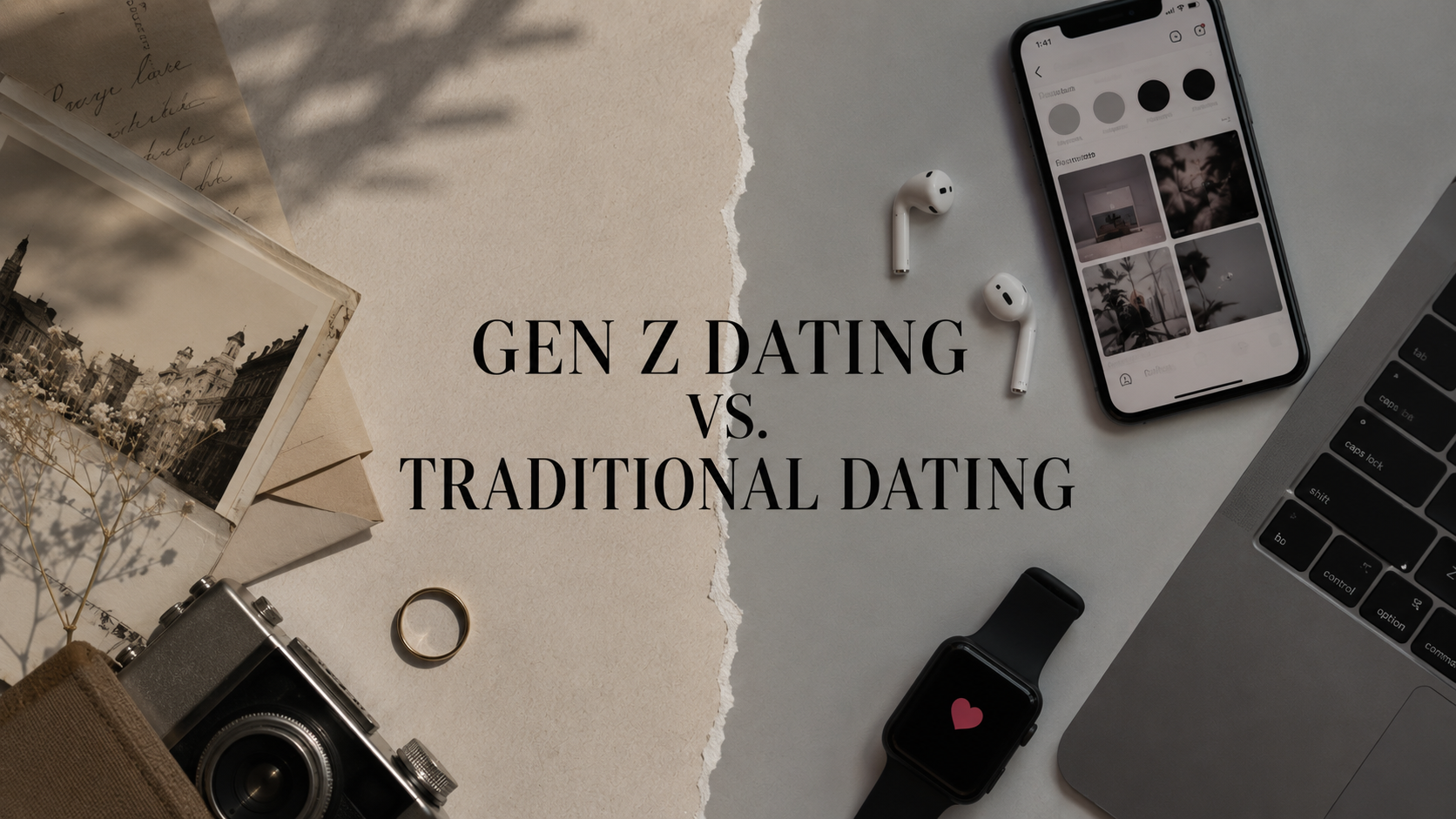
Table of Contents
Introduction
Quick Summary
How The First Spark Has Changed
How Couples Communicate
Situationships
Social Media’s Control on Dating
Why Gen Z Dates This Way
Final Note
Frequently Asked Questions
Dating has always changed with the times, but the shift happening right now feels bigger than usual. The rules that used to guide how people met, dated, and committed to each other don't apply the same way anymore. Apps replaced chance encounters. Texting replaced phone calls. And somewhere along the way, labels became optional. In this article, I will be going over the biggest differences between how Gen Z dates today and how dating used to work, including why situationships have become so common and what role social media plays in all of it.
Quick Summary
Topic: Gen Z dating looks different from past generations because of dating apps, social media, and a hesitancy around labels, and understanding these shifts helps make sense of why relationships today move the way they do.
Key Takeaways:
Dating apps and social media changed how people meet, communicate, and present themselves to potential partners.
Situationships have become common because commitment now feels riskier and more optional than it used to.
The differences aren't about Gen Z caring less, they reflect a different set of tools and pressures shaping how connection happens.
Next Steps: Trying to figure out where you stand with someone? Start with a relationship assessment to gain clarity, or reach out to Lisa Chen & Associates for support.
How The First Spark Has Changed
In the past, most people met through school, work, family, or friends. There was already some context before the relationship started. Now, a large share of dating starts on an app, often with someone who has no connection to your existing life.
Past Dating:
Met through shared social circles
Some built-in accountability since mutual friends were involved
Slower start, since meeting in person usually came first
Gen Z Dating:
Met through apps, often without any shared connection
Swiping creates a sense of endless options
First impressions are built on a profile before a real conversation happens
How Couples Communicate
How couples talk to each other has shifted just as much as how they meet. Texting, group chats, and social media have replaced a lot of face-to-face and phone conversations.
Past Dating:
Phone calls and in-person conversations were the default
Plans were made and stuck to since there was no easy way to cancel last minute
Fewer distractions during time spent together
Gen Z Dating:
Texting is the primary form of communication, often for weeks before a call happens
Plans can change last minute with a quick text
Phones are present during most interactions, even in-person ones
The In-Between Era: Why Situationships Took Over
A situationship is a relationship that has romantic or physical elements but no clear label or commitment. It's become one of the most talked-about parts of Gen Z dating, and it didn't really exist as a defined concept in past generations.
Why They Happen:
Defining the relationship feels risky, so staying undefined feels safer
Endless options from dating apps make committing to one person feel premature
Fear of rejection makes it easier to keep things casual instead of asking for more
What This Means:
Situationships can drag on for months without resolution
One person often wants clarity while the other avoids it
The lack of a label can make it harder to know where you actually stand
Social Media's Control on Dating
Social media didn't exist for most past generations of daters, and its impact on Gen Z dating is hard to overstate. It shapes how people present themselves, how they compare relationships, and how much visibility a relationship has before it's even official.
Green Flags Around Social Media:
Comfortable being seen together without needing to post right away
Doesn't use social media to make a partner jealous or seek attention from others
Communicates about the relationship directly instead of through posts
Red Flags Around Social Media:
Posting about someone before the relationship is clearly defined
Using likes, comments, or stories to track a partner's behavior
Comparing your relationship to what's shown online
Caution Became the Default: Why Gen Z Dates This Way
Gen Z didn't choose to date this way out of carelessness. Growing up with constant access to social comparison, endless app options, and visible relationship failures online has made caution the default. Commitment can feel like closing off other possibilities, and vulnerability can feel riskier when so much of life is already public.
None of this means Gen Z wants connection less. It means the path to get there looks different, and it often takes longer to feel safe enough to define a relationship out loud.
Final Note
Dating has never looked the same across generations, and it won't stay the same for the ones that come after Gen Z either. What matters isn't comparing eras, it's understanding the pressures shaping how you or someone you're dating shows up. If situationships, social media, or unclear communication are creating stress in your dating life, it might help to talk through what you actually want instead of guessing.
Frequently Asked Questions
Why do situationships last so long without becoming official?
Usually because one or both people are avoiding the vulnerability that comes with defining the relationship. Staying undefined feels lower risk, even when it creates more confusion long term.
Is it true that Gen Z struggles more with commitment than past generations?
I'd frame it differently. It's not that Gen Z struggles more, it's that they have more visible options and more exposure to relationships failing publicly, which makes hesitation feel protective.
How do I bring up wanting a label without scaring someone off?
Be direct about what you're feeling and what you need, without pressuring them for an immediate answer. A short, honest conversation usually reveals more than waiting around for clarity to appear on its own.