
Burnout or Depression? How to Tell the Difference
Learn more about the difference between burnout and depression.
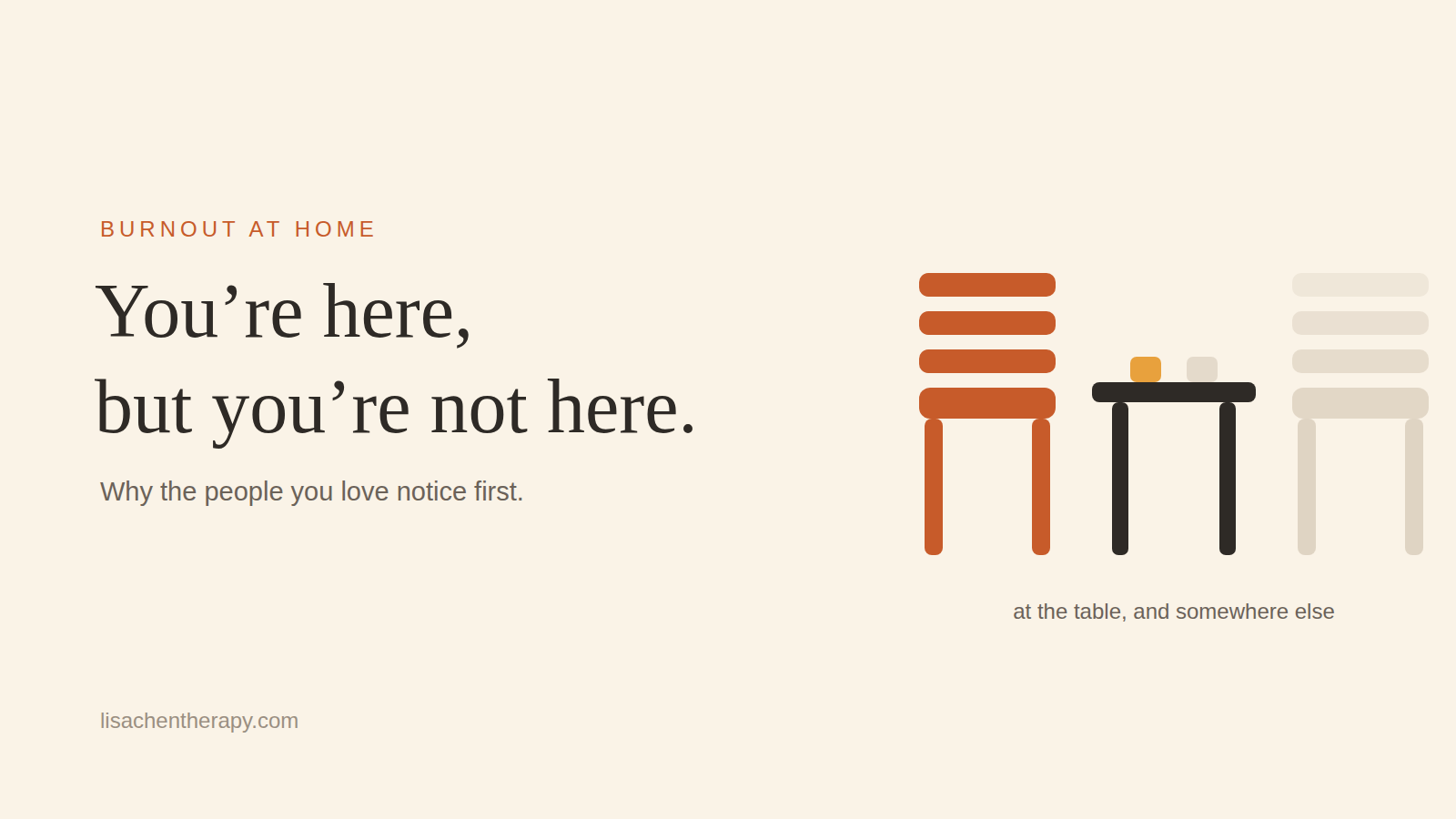
Burnout at Home: Why the People You Love Notice First
At work you're golden. The shortness shows up at home, with the people you love. Why they noticed first, and how to repair what it cost.
Micro-Boundaries: What to Do When You Can't Just Set Boundaries
When "Set firm boundaries" fails against a real job's current environment.
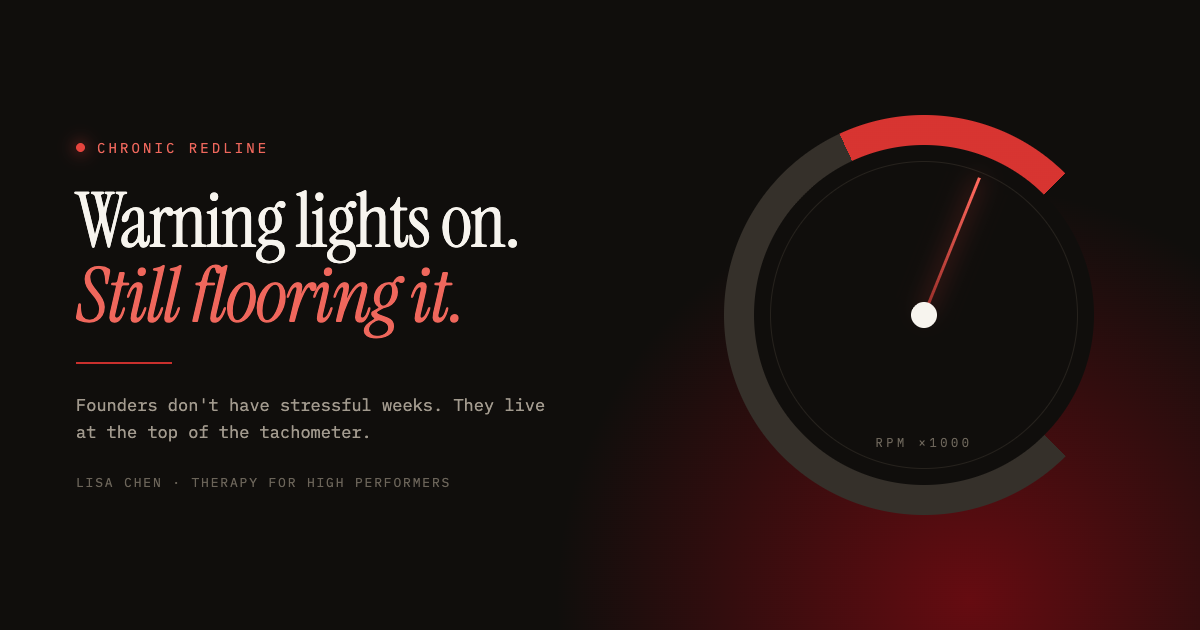
Chronic Redline: The Founder Version of Burnout
Founders don't have stressful weeks. They’re chronically in the red. That chronic redline has a cost, and a way down that doesn't require stepping back.
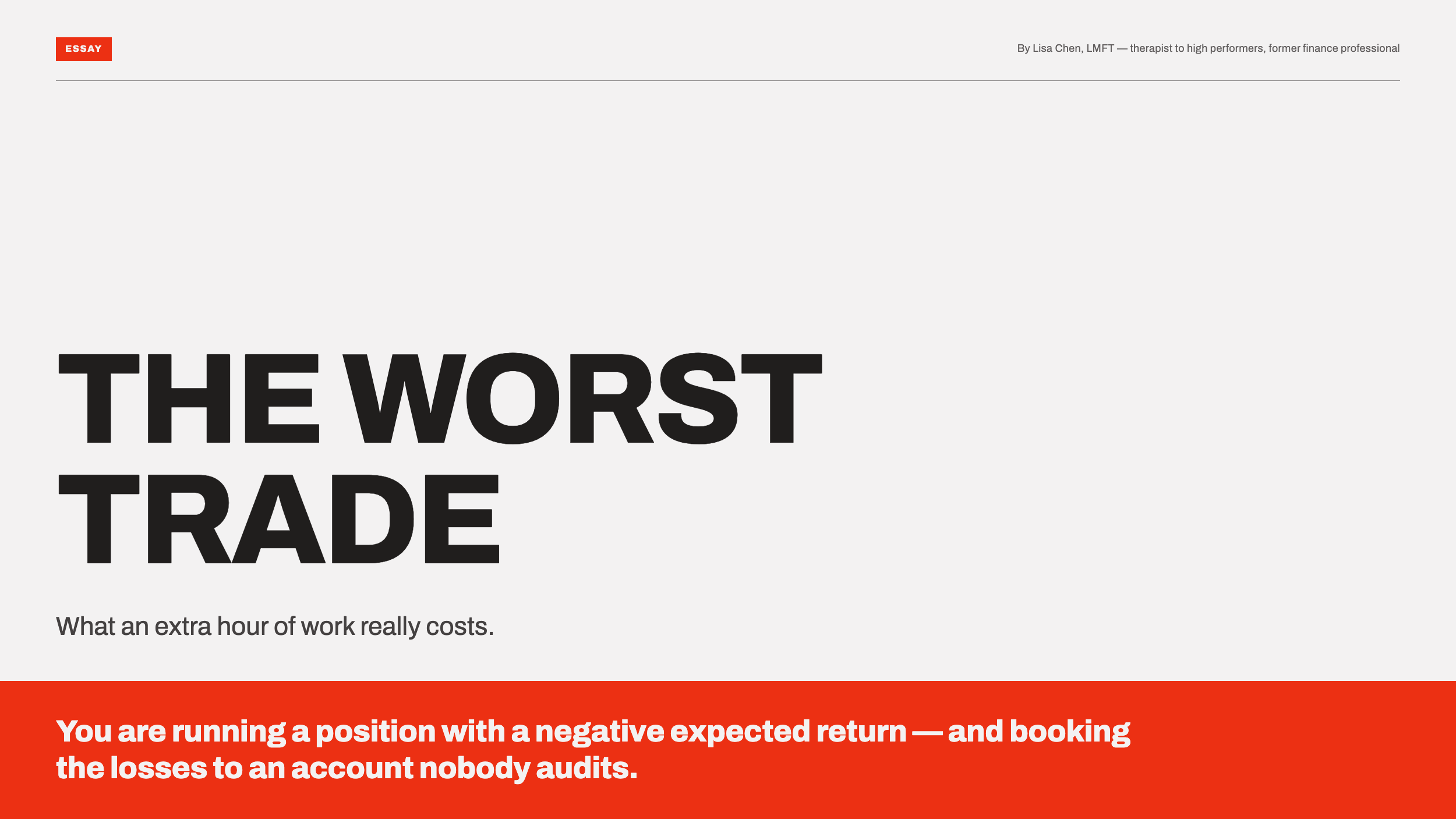
The Worst Trade: What an Extra Hour of Work Really Costs
The tired hour produces less and costs more. You just pay the interest tomorrow. A former finance professional turned therapist runs the real numbers.

The Burn Line: The 4 Phases of Burnout in High Performers
Burnout isn't a box you fall into — it's a line you slide down, usually without noticing the crossing. Four phases, each with its own tells and its own way back: find where you are before you pick your fix.
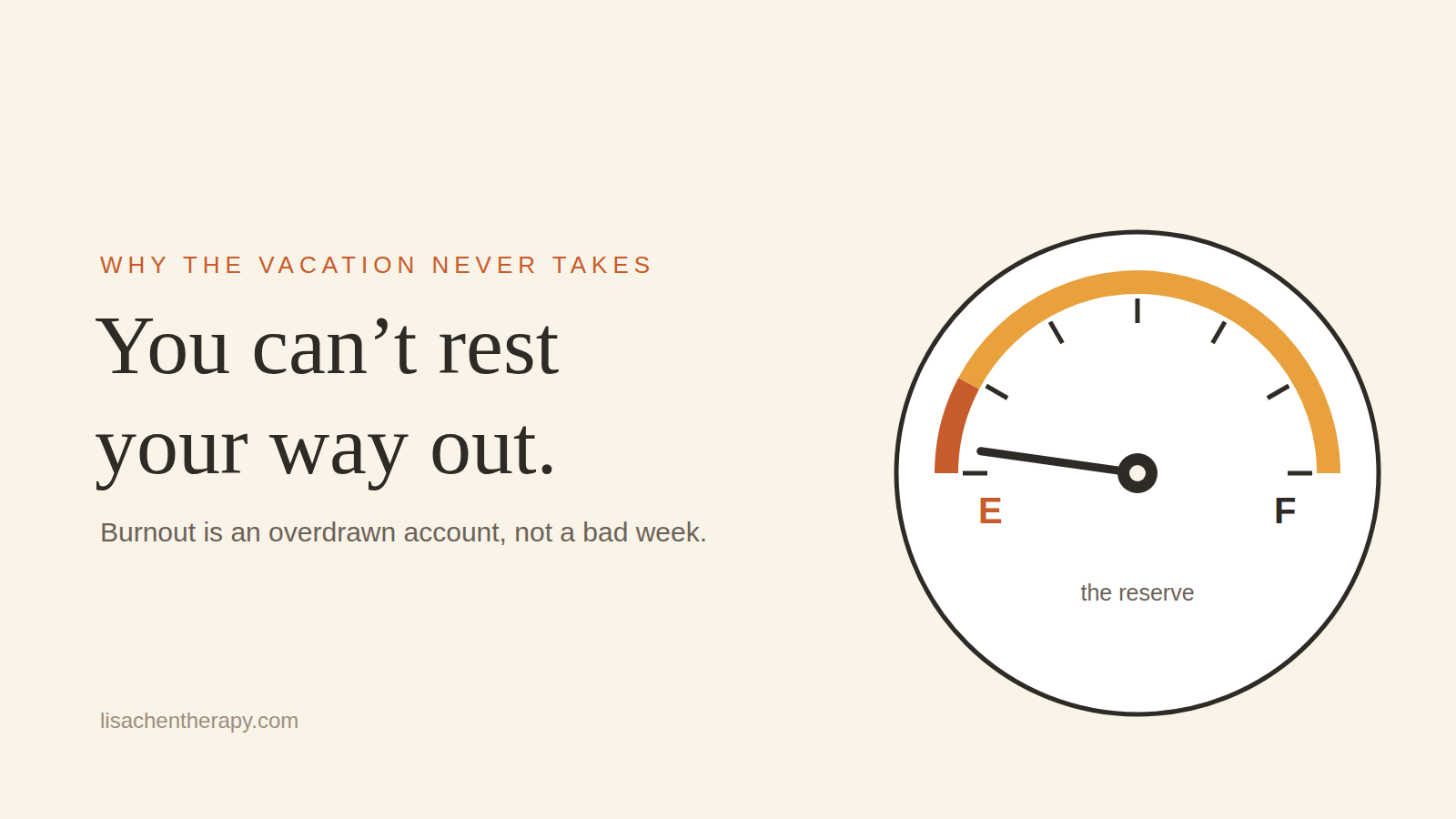
Why Rest Doesn't Fix Burnout (and What Actually Refills the Tank)
You've already run the experiment: the vacation didn't take. Here's why it never will — and what actually refills the tank.

Am I Burned Out or Just Busy? The Signs High Achievers Miss
You've built a career on knowing the difference between burned out and busy. Toast is always the last to know it's toast.

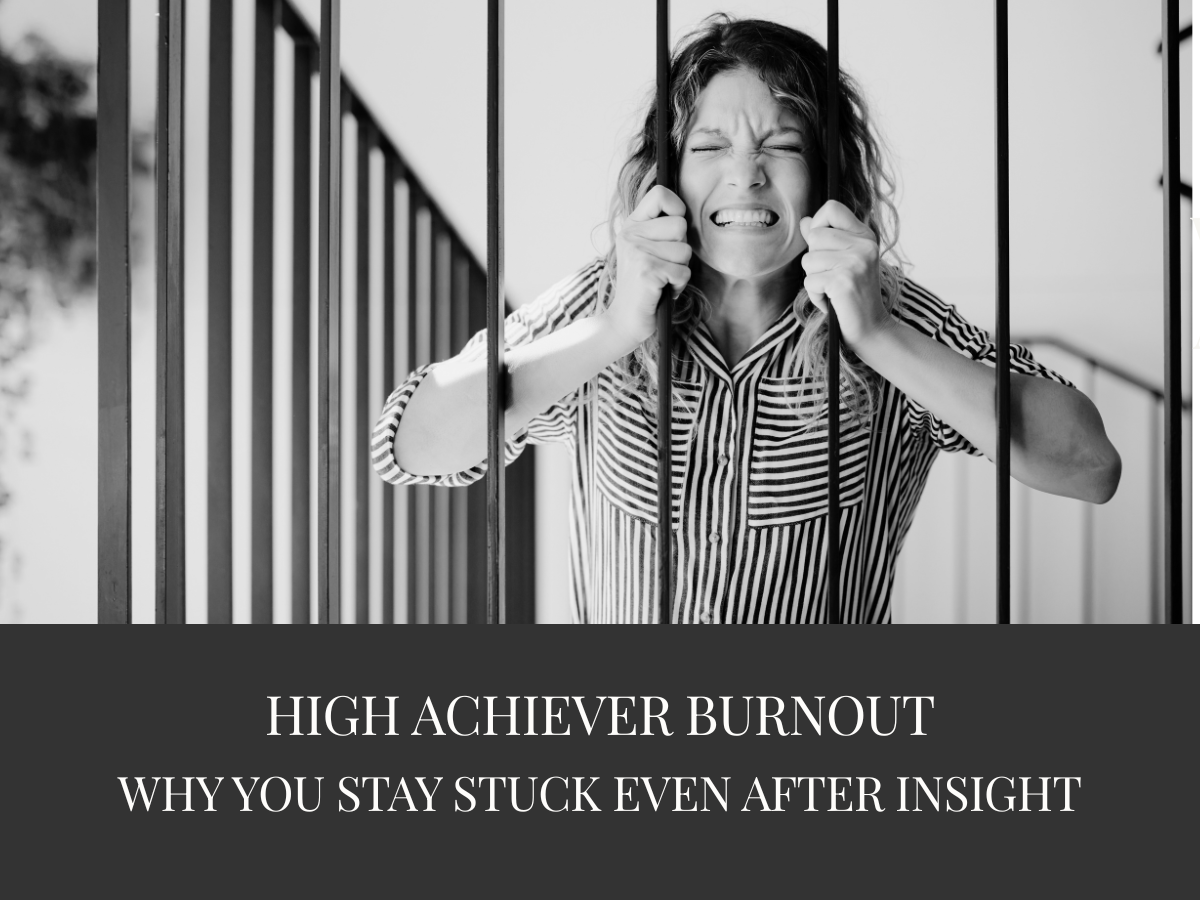
Why High Achievers Stay Stuck Even After They See the Pattern
High Achiever Burnout: You can name the pattern. You can describe the cycle. So why doesn't anything change?

How Long Does It Take to Recover from Burnout? A Therapist’s Guide
If you’re still performing but feel exhausted underneath, you might be dealing with burnout. Here’s what the timeline really looks like and how to start feeling like yourself again.

Quiet Boundaries for the Always-On Culture: How to Protect Time Without Anyone Noticing
Always-on culture keeps executives in chronic stress. Learn quiet micro-boundaries that prevent burnout and protect performance in Hermosa Beach.

Burnout Recovery: Why You Feel Exhausted Even When You “Have It All”
Feeling exhausted even while succeeding? A 5-step burnout recovery reset for high achievers ready to recalibrate.
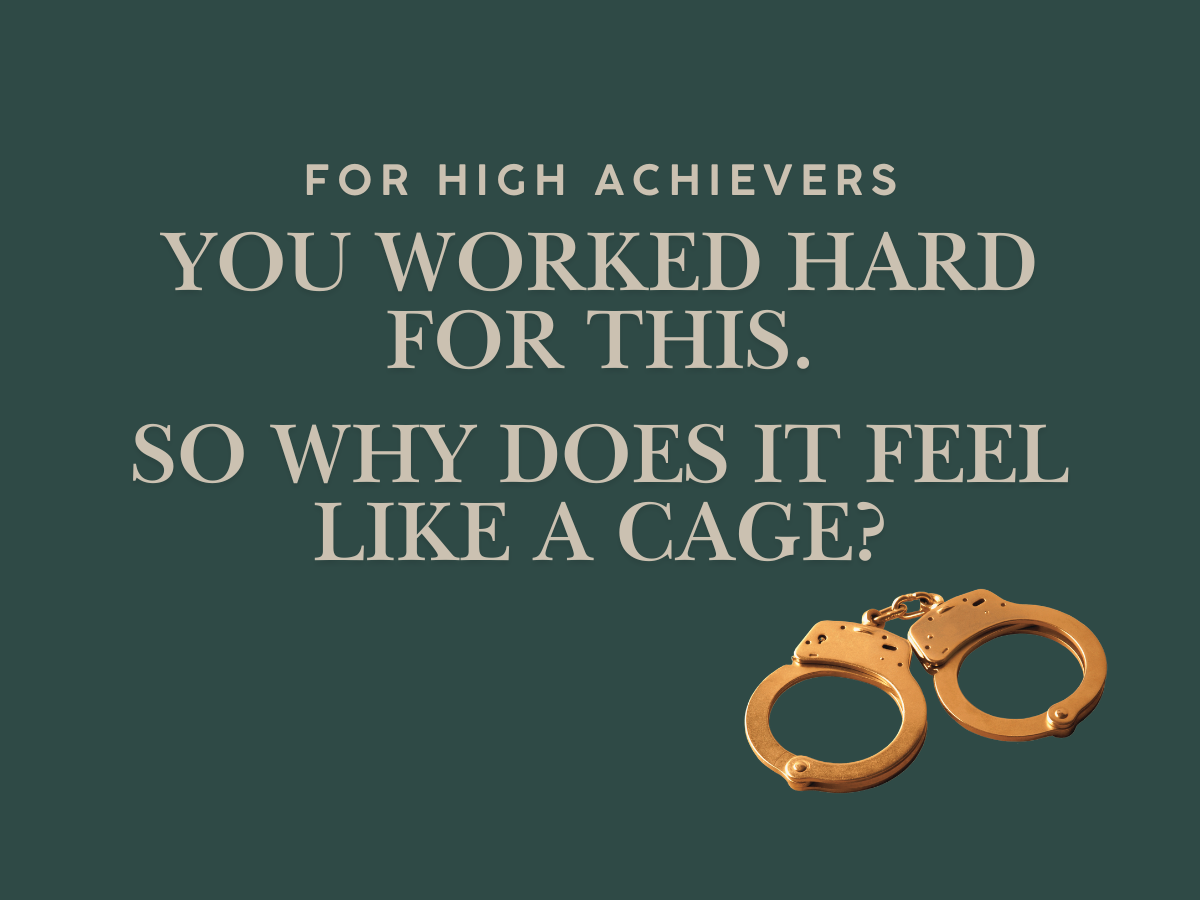
Golden Handcuffs: When You’ve Worked Too Hard to Be This Unhappy
The income is real. So is the exhaustion. Golden handcuffs keep many high achievers tied to roles that quietly cost them their health, sleep, and relationships.Why leaving feels impossible, what burnout is really signaling, and the middle paths most professionals never consider.

Breaking the Mask: A Deep Dive Into Impostor Syndrome (and How to Finally Move Past It)
Even the most accomplished professionals can feel like frauds. Here’s what impostor syndrome really is, why it happens, and how to finally step into your own success without fear.

The Hidden Cost of Perfectionism: How Success Rewires Your Brain (and Why It’s Making You Sick)
Perfectionism looks like success on the outside — but inside, it takes a devastating toll. I know, because I’ve lived it.

Understanding Occupational Burnout: WHO Definition, 2025 Statistics, and Brain Science
In 2025, with 82% of employees at risk, the cost of ignoring burnout isn’t just personal—it’s economic, relational, and biological.

The Do’s & Don’ts of Using ChatGPT as Your AI therapist
AI tools like ChatGPT are transforming how people seek mental health support—but they can’t replace the safety, confidentiality, and empathy of human therapy. This article explores the hidden risks, potential benefits, and practical ways to use AI wisely—without losing the human connection essential for true healing.

The 90-Second Rule: How Neuroscience Can Stop Emotional Overwhelm
When you’re triggered—whether it’s a cutting remark or bad news—your body launches a chemical wave that lasts just 90 seconds. After that initial surge fades, the only thing keeping you upset is your own mind replaying the story.

Why Your Brain Is Literally Addicted to New Experiences (And Why That’s Actually Good for You)
Feeling burned out or stuck in negative loops? Your brain may be craving novelty. Learn how new experiences increase dopamine, improve mood, and help break unhelpful emotional patterns—plus 5 simple ways to add novelty to your life starting today.